
I. Basic Properties of Benzoic Acid
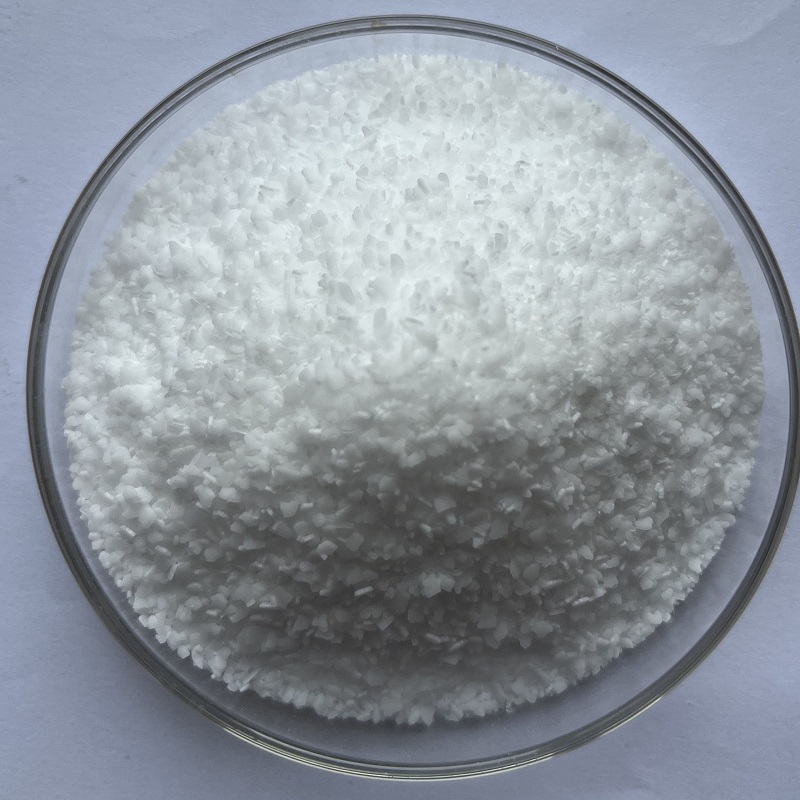
Benzoic acid is an organic acid with the chemical formula C₈H₈O₂. It appears as lustrous, white, monoclinic flakes or needle-like crystals, is light in weight, and is odorless or has a faint odor resembling benzoin or benzaldehyde.
II. Preservative Role of Benzoic Acid in Feed
- Broad Antimicrobial Spectrum
Benzoic acid molecules are highly lipophilic. When in contact with bacterial cells, they can disrupt cell membrane structures or penetrate into the cells to inhibit bacterial growth. It exhibits inhibitory effects against most microorganisms. Under acidic conditions, the optimal pH for its antimicrobial activity is 2.5–4.0, generally effective at pH levels below 4.5–5.0, and it inhibits molds, yeasts, and bacteria. - Disease Prevention
Adding an appropriate amount of benzoic acid to feed can help prevent and reduce certain diseases in animals, ensuring the stable and healthy development of livestock farming. This is due to its antimicrobial properties, which reduce the threat of harmful microorganisms to animal health.
III. Effects of Benzoic Acid on Microbial Growth in Feed
- Inhibition of Microbial Growth
Benzoic acid is highly toxic to microorganisms. Under acidic conditions, it inhibits the growth of molds, yeasts, and bacteria in feed, thereby preventing spoilage and extending the feed's shelf life. - Regulation of Microbial Balance
By inhibiting the growth of harmful microorganisms, benzoic acid indirectly regulates the microbial balance in feed, which benefits animal health.
IV. Role of Benzoic Acid in Improving Feed Stability
- Prevention of Microbial Spoilage
Due to its antimicrobial properties, benzoic acid inhibits the growth and reproduction of microorganisms in feed, preventing them from breaking down the nutrients in the feed. This helps preserve the nutritional content and quality of the feed, thereby improving its stability.
V. Effects of Benzoic Acid on Animal Health and Growth Performance
- Growth Promotion
An appropriate amount of benzoic acid can promote the growth and development of animals, especially in young livestock, where its growth-promoting effects are significant. This is because benzoic acid enhances digestion and absorption in animals, improves feed conversion rates, and leads to faster weight gain. - Immunity Enhancement
Adding an appropriate amount of benzoic acid to feed can effectively enhance the immunity of animals, strengthening their resistance to pathogens and immune capacity. This reduces disease incidence and improves farming efficiency. - Digestion and Absorption Promotion
Benzoic acid stimulates the secretion of gastric mucosa and insulin, promoting the secretion of digestive fluids. It also enhances intestinal motility, promotes bile secretion, and facilitates the synthesis of bile acids, all of which are beneficial for digestion and absorption.
Post time: Mar-04-2026


