
Tributyrin (TB) and Monolaurin (GML), as functional feed additives, possess multiple physiological effects in layer chicken farming, significantly improving egg production performance, egg quality, intestinal health, and lipid metabolism. Below are their primary functions and mechanisms:

1. Improve egg production performance
Glycerol Monolaurate (GML)
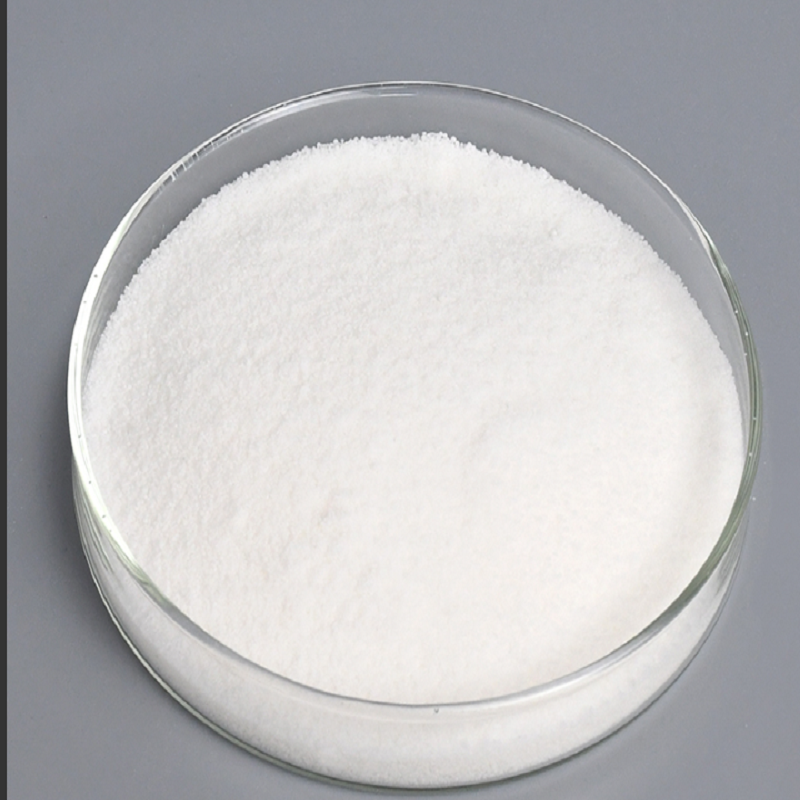
Adding 0.15-0.45g/kg GML to the diet of laying hens can significantly increase egg production rate, reduce feed conversion rate, and increase average egg weight.
A study shows that 300-450mg/kg GML can improve the egg production rate of laying hens and reduce the rate of defective eggs.

In the experiment of broiler chickens, 500mg/kg TB can delay the decrease in egg production rate in the later stage of egg laying, improve eggshell strength, and reduce hatching rate.
Combined with GML (such as patented formula) can further prolong the peak egg production period and improve economic benefits.
2. Improve egg quality
The function of GML
Increase protein height, Haff units (HU), and enhance yolk color.
Adjust the fatty acid composition of egg yolk, increase polyunsaturated fatty acids (PUFA) and monounsaturated fatty acids (MUFA), and reduce the content of saturated fatty acids (SFA).
At a dose of 300mg/kg, GML significantly increased eggshell hardness and egg white protein content.
The function of TB
Increase the strength of eggshells and reduce the rate of shell breakage (such as reducing 58.62-75.86% in experiments).
Promote the expression of genes related to uterine calcium deposition (such as CAPB-D28K, OC17) and improve eggshell calcification.
3. Regulating lipid metabolism and antioxidant function
The function of GML
Reduce serum triglycerides (TG), total cholesterol (TC), and low-density lipoprotein cholesterol (LDL-C), and decrease abdominal fat deposition.
Improve the activity of serum superoxide dismutase (SOD) and glutathione peroxidase (GSH Px), reduce the content of malondialdehyde (MDA), and enhance antioxidant capacity.
The function of TB
Reduce liver triglyceride content (10.2-34.23%) and upregulate fat oxidation related genes (such as CPT1).
Reduce serum alkaline phosphatase (AKP) and MDA levels, and increase total antioxidant capacity (T-AOC).
4. Improve intestinal health
The function of GML
Increase the villus length and villus to villus ratio (V/C) of the jejunum to improve intestinal morphology.
Downregulate pro-inflammatory factors (such as IL-1 β, TNF - α), upregulate anti-inflammatory factors (such as IL-4, IL-10), and enhance intestinal barrier function.
Optimize the structure of cecal microbiota, reduce the proportion of Proteobacteria, and promote the growth of beneficial bacteria such as Spirogyraceae.
The function of TB
Adjust the pH value of the intestine, promote the proliferation of beneficial bacteria (such as lactobacilli), and inhibit harmful bacteria.
Upregulation of tight junction protein (such as Occludin, CLDN4) gene expression enhances intestinal barrier integrity.
5. Immune regulatory effect
The functionof GML
Improve spleen index and thymus index, enhance immune function.
Reduce serum inflammatory markers such as aspartate aminotransferase (AST) and alanine aminotransferase (ALT).
The function of TB
Reduce intestinal inflammatory response by regulating the Toll like receptor (TLR2/4) pathway.
6. Joint application effect
Patent research has shown that the combination of GML and TB (such as 20-40 TB+15-30 GML) can synergistically improve the egg production rate of laying hens (92.56% vs. 89.5%), reduce tubal inflammation, and prolong the peak egg production period.
Summary:
Glycerol Monolaurate(GML) and Tributyrin(TB) have complementary effects in chicken farming:
GML focuses on improving egg quality, regulating lipid metabolism, and antioxidant activity;
TB focuses on improving intestinal health and calcium metabolism;
The combination can exert synergistic effects, comprehensively improve production performance and egg quality.
Post time: Dec-31-2025


