
In aquaculture, do you often encounter situations where fish have poor appetite and a significant amount of feed is wasted?
Do you worry about sudden changes in salinity, high mortality rates caused by transportation and pool separation? Or are you troubled by fatty liver problems caused by high-fat feed?
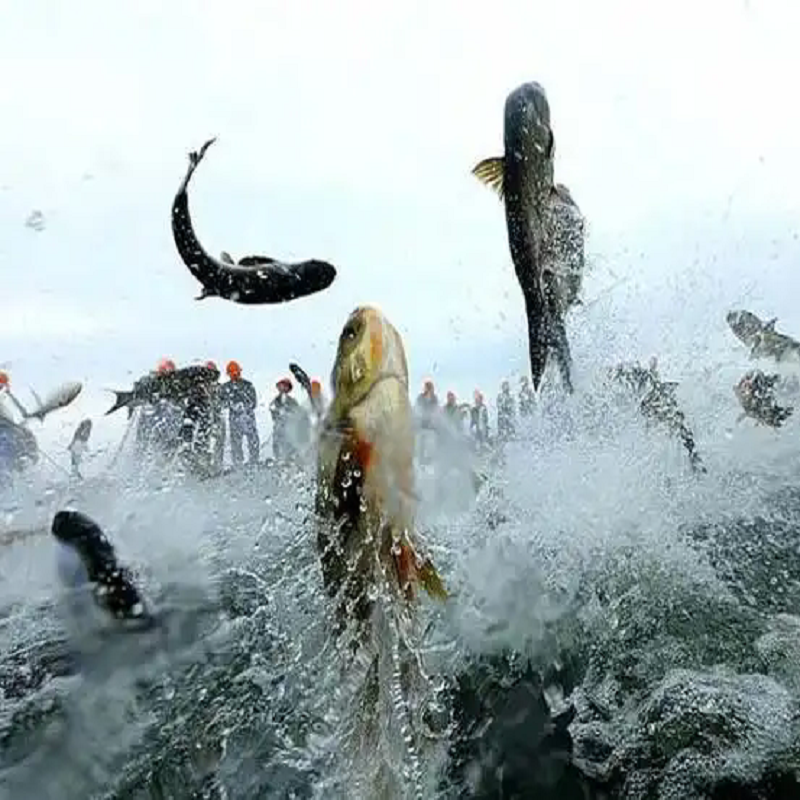
Facing these challenges, Betaineoffers a scientific and effective solution. This natural substance derived from sugar beets, through its unique multiple physiological functions, can significantly improve feed palatability, enhance the animal's ability to resist stress, promote fat metabolism and protect liver health. It is a powerful weapon for improving farming efficiency.
Betaine is a very important feed additive in aquaculture, with a wide range of functions and significant effects, mainly reflected in the following aspects:
1. Strong attractant:
- This is the most well-known and widely used function of betaine.
- It has a sweet and savory taste similar to amino acids, which can strongly stimulate the sense of smell and taste of aquatic animals (fish, shrimp, crabs, etc.).
- It can mask the odor caused by certain harmful substances in the feed, such as anti nutritional factors, minerals, drugs, etc. in certain plant protein sources, and improve the palatability of the feed.
Effect:
Significantly increase food intake, shorten feeding time, and reduce feed waste, especially when water temperature is low, animal appetite is poor, or new feed formulas are used, the effect is more significant.
2. Methyl donor:
Saving methionine: reducing the amount of methionine added to feed and lowering feed costs.
- Promote protein and fat metabolism: Participate in the synthesis of protein and carnitine, promote fat metabolism, and reduce fat deposition in the liver and abdominal cavity.
- Improve lean meat percentage: Improve carcass quality by promoting protein synthesis and inhibiting fat deposition. Betaine molecule contains three active methyl groups, making it an efficient and stable methyl donor.
- Participating in the methionine cycle in animals can partially replace expensive methionine and choline (choline itself also needs to be converted into betaine to function as a methyl donor).
3. Osmotic pressure regulator:
- Enhance stress resistance:significantly improve the tolerance of fish and shrimp to environmental stress such as salinity fluctuations, high and low temperatures, low oxygen, transportation, and separation.
- Improving survival rate: In aquaculture environments with large changes in salinity (such as estuarine aquaculture, desalination aquaculture, and freshwater injection during the rainy season) or stress operations, it can effectively reduce mortality rates.
- Energy saving: Reduce the energy consumption of animals for osmotic pressure regulation, allowing more energy to be used for growth.
- Betaine is an important osmotic buffer substance (osmoprotectant) in living organisms.
- When the osmotic pressure of the external environment changes (such as salinity fluctuations, transport stress), aquatic animals need to consume a large amount of energy to regulate their own osmotic pressure balance.
- Betaine can stabilize intracellular osmotic pressure, protect the structure and function of cell membranes, proteins, and enzymes from damage caused by high or low osmotic environments.
4. Promote fat metabolism and protect the liver:
- Liver protection: Effectively prevent and treat fatty liver syndrome in aquatic animals, especially those fed high-fat diets.
- Improving body color: For some ornamental fish or shrimp, healthy liver function helps with pigment deposition and improves body color.
- As a methyl donor, betaine participates in phospholipid synthesis and fat transport. It can promote the breakdown and transport of liver fat, reduce liver fat content, and prevent the formation of fatty liver.
5. Promotes growth:
- This is the result of the combined effects of multiple functions mentioned above.
- By increasing food intake, conserving methionine, promoting protein synthesis, improving feed utilization, reducing stress and energy consumption, and protecting liver health.
Effect:
The ultimate manifestation is a significant increase in the growth rate and weight gain rate of aquatic animals.
6. Improving immunity and disease resistance (indirect effect):
Betaine helps maintain the health of aquatic animals by alleviating stress reactions (stress is the root of all diseases), protecting the liver (an important detoxifying and immune organ), and providing methyl groups (involved in nucleic acid and antibody synthesis).
Effect:
Enhance the body's non-specific immunity and reduce the incidence of diseases.
Summary and Application:
Betaine has become an indispensable additive in modern aquatic compound feed due to its multiple effects such as high efficiency in attracting food, stable provision of methyl groups, excellent osmotic pressure regulation ability, liver protection, and comprehensive growth promotion.
It plays an important role in improving feed efficiency, reducing breeding costs, enhancing animal stress resistance and health levels, and ultimately increasing breeding yield and efficiency.
Usage precautions:
Addition amount: The usual addition amount in feed ranges from 0.05% to 0.3%.
The specific amount of addition needs to be adjusted according to factors such as the breeding variety, growth stage, feed formula basis, and breeding environment (especially changes in salinity).
Excessive addition may not increase the effect but instead result in waste.
Form:
- Common forms include natural betaine (extracted from sugar beet molasses) and chemically synthesized betaine hydrochloride.
- The two have similar effects in terms of their main functions, with higher purity and lower cost in synthetic products, making them the mainstream in the market.
In summary, betaine is a safe, efficient, and multifunctional nutritional additive in aquaculture, which is crucial for improving aquaculture efficiency.
Post time: Jan-29-2026


