
Types of acidifiers:
Acidifiers primarily include single acidifiers and compound acidifiers. Single acidifiers are further categorized into organic acids and inorganic acids. Currently, commonly used inorganic acidifiers mainly include hydrochloric acid, sulfuric acid, and phosphoric acid, with phosphoric acid being the most prevalent. Inorganic acids are characterized by their low cost, strong acidity, and tendency to dissociate easily during use. Organic acidifiers mainly include formic acid, propionic acid, sorbic acid, fumaric acid (maleic acid), citric acid, lactic acid, malic acid, acetic acid, and others. Compound acidifiers are formed by combining two or more single acidifiers in specific proportions. These can be created by mixing several acids together or by combining acids with salts.
Small organic acids and their efficacy:
Inorganic acids exhibit strong acidity and relatively low addition costs, but they can damage gastric mucosal function and even cause burns to the mucosa during use, inhibiting gastric acid secretion and the normal development of piglet gastric function, while also failing to exert effects in the distal intestinal tract. In contrast, large-molecule organic acids such as citric acid, lactic acid, and fumaric acid are less effective in lowering pH and feed acid-binding capacity compared to small-molecule organic acids. Therefore, small-molecule organic acids perform better than inorganic acids and large-molecule organic acids. For instance, formic acid has the smallest molecular weight among organic acids (formic acid exhibits the strongest acidity per unit weight of organic acid), yet it demonstrates superior bactericidal and bacteriostatic efficacy. Acidifiers possess diverse functional effects, but not every individual acid simultaneously possesses all of them.
Moreover, the varying efficacy of individual organic acids primarily depends on their distinct dissociation degrees. Each acid has a fixed dissociation constant expressed as a pK value (buffering capacity), which represents the pH at which the acid dissociates by 50% and is used to determine the efficacy of the acid under given pH conditions. Higher buffering capacity helps prevent excessive fluctuations in gastrointestinal acidity. For example, if an acid does not dissociate prematurely or dissociates minimally at a certain pH, or promotes pH reduction, it can continue to exert antibacterial effects. The lowering of feed pH not only results in reduced buffering capacity but also enhances animal digestion, as the stomach does not need to secrete more endogenous hydrochloric acid to activate proteases, thereby ensuring optimal protein digestion. As previously mentioned, a stable digestive mechanism implies a balanced gut microbiota. The reduction in pH also creates obstacles for the proliferation of harmful bacteria, indirectly achieving antimicrobial effects. Thus, the efficacy of organic acids primarily depends on their buffering capacity in the undissociated state, which determines the likelihood of penetrating the cell walls of Gram-negative bacteria (such as E. coli and Salmonella) and exerting their effects within the cells.

Formic acid, as the organic acid with the smallest molecular weight, has the strongest effect on pathogenic Gram negative bacteria. However, due to its corrosiveness (easily corroding feed and feed troughs, drinking water equipment, etc.) and strong odor, high-dose addition can reduce feed palatability or cause vitamin loss, greatly limiting its direct application in animal husbandry. Composite acidifiers are designed to overcome the shortcomings or deficiencies of single acidifiers by combining different single acids and their salts, thereby improving the application effectiveness of acidifiers. Composite acidifiers will also replace single acidifiers and become the development trend of acidifiers.
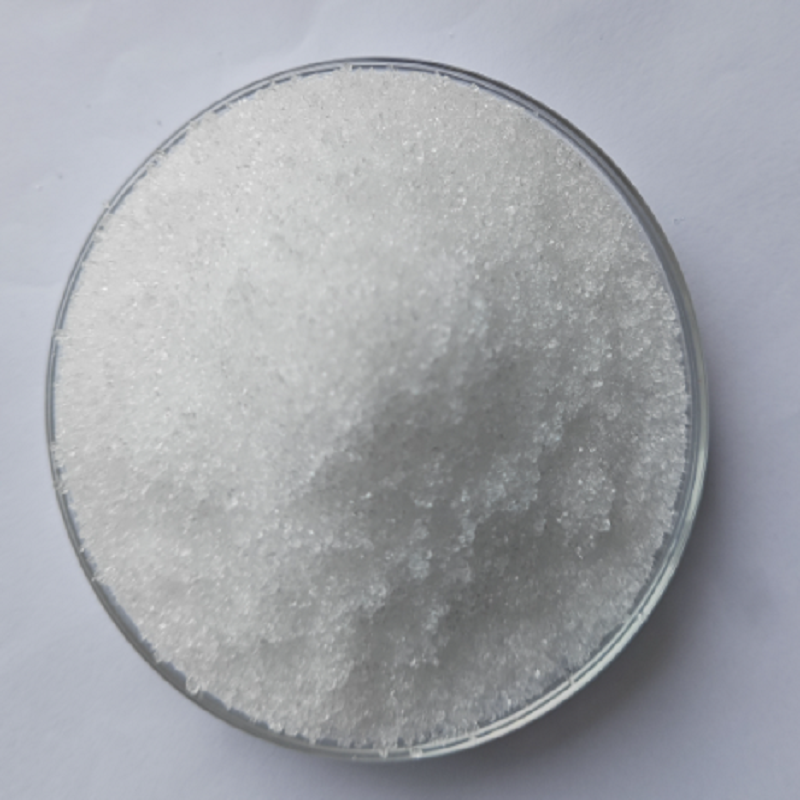
Potassium diformate, as a complex salt with a simple molecular formula (consisting of formic acid and potassium formate with a special structure), not only inherits the antibacterial and anti mold effects of formic acid, but also has a non corrosive slow-release effect (if a single acidifier is released too quickly, it will be fully absorbed in the stomach and cannot function in the small intestine). It has a series of effects, including promoting pig growth, improving the digestive environment of piglets' gastrointestinal tract, regulating the palatability of feed, increasing animal feed intake, effectively inhibiting harmful ingredients such as mold in feed, maintaining feed freshness and quality, and extending the shelf life of feed. The acidification effect is superior to commonly used composite acidifiers.
The improvement rate of daily weight gain was 5.48%, the daily feed intake of pigs increased by about 1.21%, and the improvement coefficient of feed conversion rate was around 3.69%. Adding potassium formate to the feed has a better effect, and the above parameters are significantly improved again. Compared with the negative control group, the addition of potassium formate in the diet increased the average production performance of pigs by 8.7%, and the daily feed intake increased by 3.5%. As a result, the feed conversion efficiency also improved by more than 4.24%. The production performance of piglets supplemented with 1% potassium diformate was similar to that of piglets supplemented with 4% plasma protein, and was superior to piglets supplemented with 2% citric acid.
At the same time, in response to the cost pressure brought by the continuous increase in feed raw material prices, many feed and breeding enterprises have started to produce low protein and low soybean meal diets. Due to the high potassium content in soybean meal, reaching 1.72%, while other raw materials generally have lower potassium content, we need to recognize the necessity of "supplementing potassium" with low protein and low soybean meal diets.
Potassium diformate low protein diet
Due to the need to improve protein utilization and adjust electrolyte balance in low protein and low soybean meal diets, it is more appropriate to use 2kg of potassium formate
1) Potassium diformate can improve protein utilization and maintain normal production performance; 2) Potassium diformate does not increase the content of sodium ions and chloride ions while supplementing potassium, but increases the dEB value and maintains electrolyte balance.
Replace resistance to promote growth
Potassium diformate, as a growth promoting agent approved by the European Union, has significant advantages in improving intestinal morphology and promoting animal growth performance. While inhibiting harmful bacteria, it can promote the growth of beneficial bacteria without developing drug resistance, achieving the fundamental goal of alternative resistance.
Antibacterial effect:
Potassium diformate regulates the intestinal ecological environment by reducing the pH value of the gastrointestinal tract, and its unique antimicrobial function is based on the combined action of formic acid and formate salts. And it is slowly released in the digestive tract, with high buffering capacity. 85% of potassium formate can pass through the stomach in its intact form, achieving sterilization and antibacterial effects while also protecting the intestines.
Promoting growth:
Potassium can reduce the stress response of fattening animals and decrease weight loss. Potassium can stimulate animal protein synthesis. Lysine is an essential amino acid in the diet, and increasing the potassium ion level in the diet can improve the utilization rate of lysine.
Mold proof:
Potassium diformate is also a good mold inhibitor that can effectively inhibit feed mold growth, maintain feed freshness, and extend feed shelf life.
Post time: Dec-23-2025


