
The role of Trimethylamine Hydrochloride (TMA Hcl) in carnitine lies in its use as a chemical raw material (providing trimethylamine groups) to synthesize carnitine. Simply put, it is one of the "cornerstones" for manufacturing carnitine.
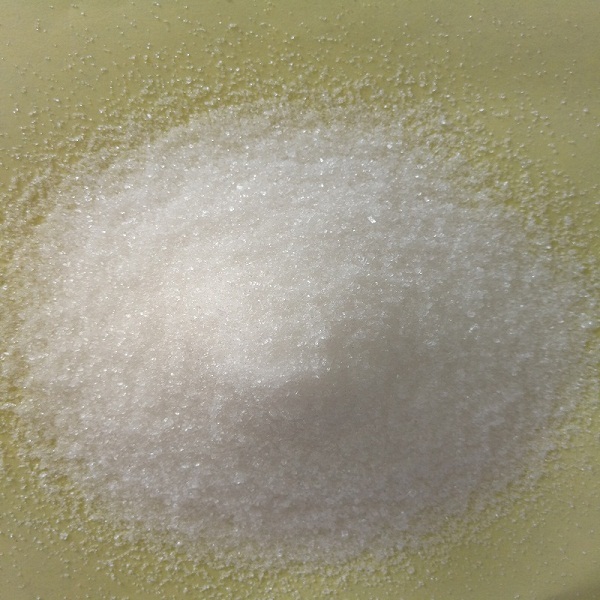
In industrial production, the synthesis pathway of carnitine is roughly as follows:
·Provide key structure:
Trimethylaminhydrochlride provides trimethylamine to the reactants, which is a crucial component of the quaternary ammonium structure in carnitine molecules.
·Specific synthesis process:
In industry, starting from epichlorohydrin, Trimethylamine Hydrochloride is added for amination reaction. After subsequent steps such as cyanide and hydrolysis, carnitine is finally obtained.
·Formulated in salt form:
In order to improve stability and extend shelf life, the synthesized carnitine is often reacted with hydrochloric acid to produce carnitine hydrochloride, which is convenient for storage and transportation.
L-carnitine is mainly used as a nutritional enhancer and energy metabolism promoter in feed.
It is a naturally occurring amino acid derivative that can promote the oxidative breakdown of fat in animal bodies and improve energy utilization efficiency. Adding L-carnitine to feed has the following important functions:
1. Promoting fat metabolism:
L-carnitine is an essential carrier for long-chain fatty acids to enter mitochondria for β - oxidation, which can significantly improve animal fat utilization and reduce body fat deposition.
2. Improving growth performance:
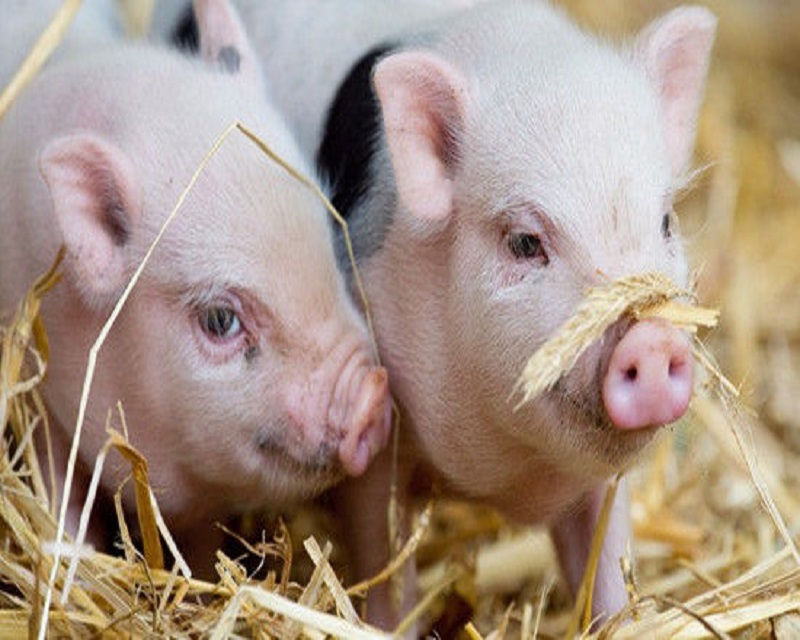
By improving energy metabolism, feed conversion rate can be increased, promoting animal weight gain, especially suitable for livestock and poultry during the fattening period. Research has shown that adding 50-100mg/kg L-carnitine to pig feed can increase daily weight gain by 5-8%.
3. Improving reproductive performance:
Adding it to livestock feed can increase sperm motility, conception rate, and litter size. The recommended dosage for breeding boars is 100-150mg/kg.
4. Enhance stress resistance:
It can improve the metabolic disorders of animals under stress conditions such as high temperature and transportation, and maintain normal physiological functions.
5. Improve meat quality:
reduce fat deposition, increase muscle proportion, and improve meat quality.
Precautions for use:
The appropriate dosage for different animal species and growth stages varies greatly, and it is necessary to strictly follow the recommended dosage
When used in combination with antioxidants such as vitamin E and selenium, the effect is better When storing, avoid high temperature and high humidity environments When mixing feed, it is necessary to ensure uniform dispersion
Post time: May-11-2026


