
In the process of shrimp farming, many farmers encounter the following difficulties: shrimp feeding enthusiasm decreases, growth slows down, and even the phenomenon of "eating alone does not last long" occurs.
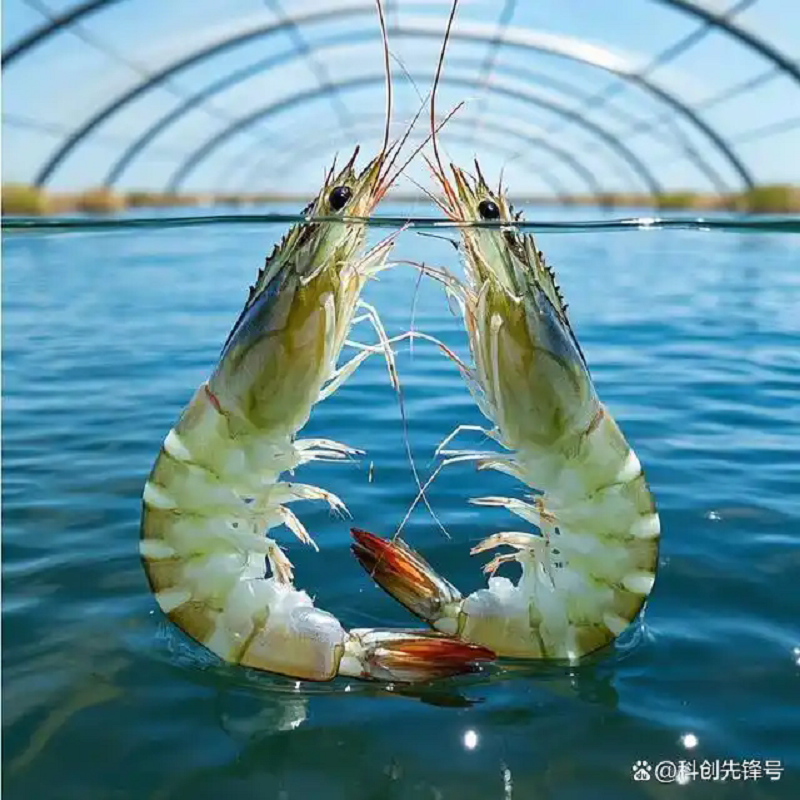
This not only affects the shrimp specifications, but also directly lowers the breeding efficiency. The causes of this problem are complex and diverse, mainly related to the quality of shrimp seedlings, water environment, aquaculture management, intestinal health, and disease infection.
The main reasons for slow feeding and growth of shrimp
1. Uneven specification of shrimp fry factors: Some shrimp fry themselves are of different sizes, and their later growth rates naturally vary. Unknown source: Shrimp seedlings from informal seedling farms may have genetic degeneration or carry pathogens, which can easily lead to growth stagnation or even disease in the later stages.
2. Water quality factors: Excessive concentrations of ammonia nitrogen and nitrite in water, or long-term high pH values, can damage the gill tissue and digestive organs of shrimp, trigger stress reactions, and inhibit feeding and growth.
3. When there are too many natural baits and planktonic animals (such as branchiopods and copepods) in the pond are too abundant, shrimp will preferentially prey on these natural baits, resulting in a decrease in the intake of artificially formulated feed and creating the illusion of slow feeding. In the long run, growth may slow down due to a lack of nutrition.
4. Improper management and excessive stocking density: exceeding the carrying capacity of the pond can easily cause stress reactions and uneven competition for food. Shallow water level: The water body has weak insulation and stability, with large fluctuations in water temperature and frequent stress on shrimp
Insufficient water exchange: Accumulation of metabolic waste in the water can easily lead to deterioration of water quality, affecting the feeding and growth of shrimp.
Unreasonable feeding amount: It is generally recommended to feed shrimp at a daily rate of 6% to 8% of their body weight (which can be flexibly adjusted according to water temperature, dissolved oxygen, and feeding conditions). Insufficient feeding can lead to growth restriction, while excessive feeding can easily contaminate the substrate and increase the burden on the liver and pancreas.
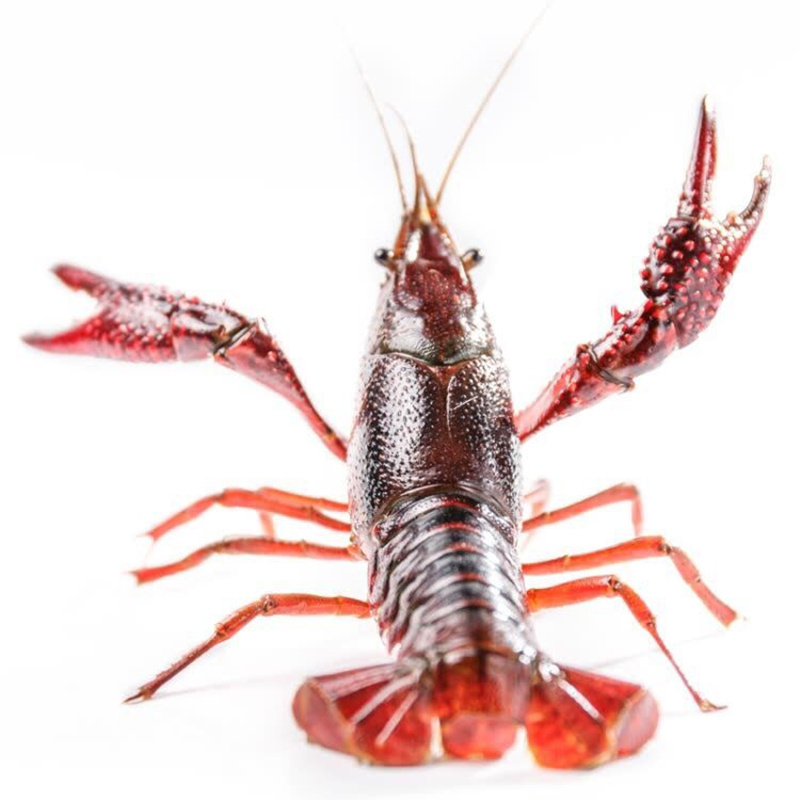
5. Disease factors: Bacterial diseases (such as Vibrio infection) and viral diseases (such as vitiligo syndrome) can directly damage the liver, pancreas, and intestines of shrimp, leading to a decrease in digestion and absorption capacity, often manifested as severe feed reduction or food cessation.
Intestinal damage and empty stomach in the jejunum are common core causes of shrimp feed loss and growth arrest.
How does potassium diformate improve the problem of slow feeding and lack of meat growth in shrimp
Potassium diformate is a widely used organic acid preparation, mainly composed of formic acid and potassium diformate. It has the characteristics of green safety, antibacterial and intestinal protection, efficient growth promotion, and no residue or drug resistance, which meets the requirements of green aquaculture.
Regarding the feeding and growth issues of South American shrimp, its mechanism of action mainly manifests in the following aspects:
1. Improving intestinal health. Potassium diformate can regulate the pH value of the intestine, inhibit the proliferation of harmful bacteria (such as common pathogenic bacteria such as Vibrio), and promote the proliferation of beneficial bacteria such as lactic acid bacteria, maintaining the balance of intestinal microbiota and effectively reducing the occurrence of enteritis.
2. Improve digestive enzyme activity and promote protein utilization by improving intestinal permeability. Potassium diformate can enhance the activity of proteases and other digestive enzymes, promote the breakdown and absorption of proteins in feed, thereby increasing feed conversion rate, reducing feed efficiency (feed ratio), and minimizing nutrient waste.
3. Significant improvement in growth performance and survival rate. Studies by Chinese scholars He Suxu et al. (2006) have shown that adding 0.8% potassium diformate to the feed of South American white shrimp can increase the total weight of shrimp by 20.6%, daily weight gain by 26%, and survival rate by 7.8%. The research results show that potassium formate can effectively improve the feeding status of shrimp and promote individual growth.
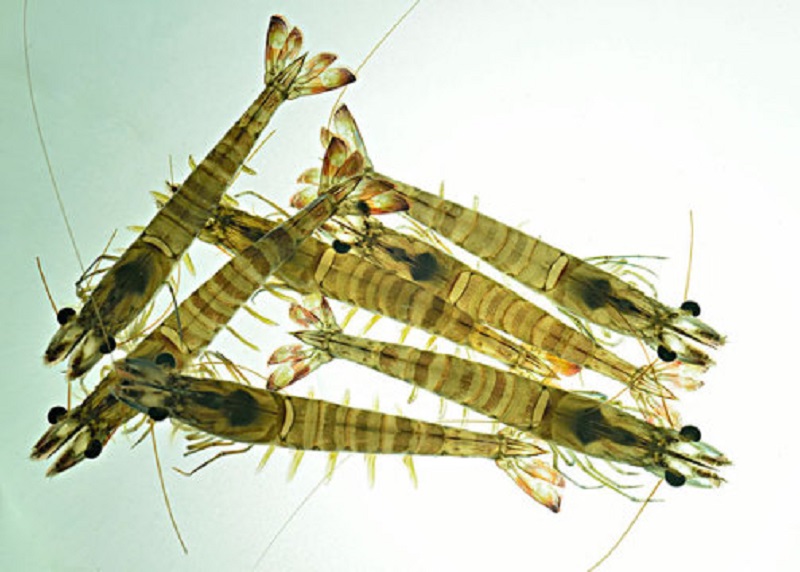
4. Stable feeding and reduced stress response. Potassium diformate can improve the intestinal environment and overall health status of shrimp, helping them better cope with environmental pressures such as water quality fluctuations, density stress, and pathogen pressure, thereby maintaining stable feeding behavior and reducing aversion to food caused by stress.
Suggestions
When farmers encounter situations where shrimp feed is slow and do not grow meat, they should first check the quality of shrimp seedlings, water quality indicators, stocking density, and whether there are diseases, and adjust the management plan accordingly based on the actual situation at the pond mouth.
At the same time, scientific potassium formate can be used in feed (please refer to the product instructions for specific dosage, and adjust flexibly according to shrimp specifications and breeding environment). Long term and reasonable use can help maintain intestinal health, improve feed utilization, and ultimately achieve the goal of "raising large and good shrimp".
Maintaining the intestinal tract of shrimp is essential for stable feeding, rapid meat growth, improved specifications, and increased profitability.
Post time: Sep-15-2026


