
Mechanism of Action and Application Benefits of Feed Grade Granular Sodium Butyrate
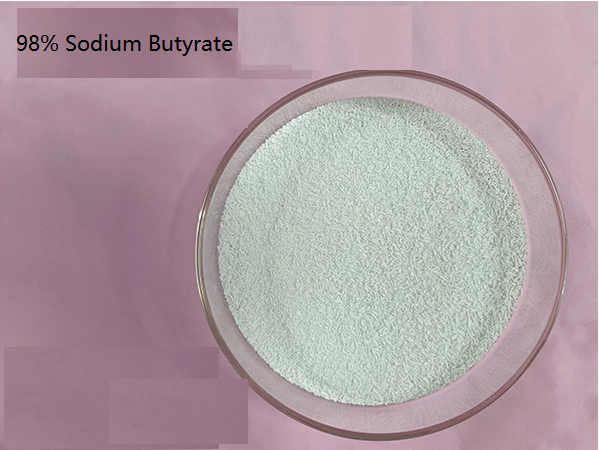
Feed grade granular sodium butyrate is a common intestinal conditioning nutritional additive in livestock and poultry farming. It is often manufactured using coating technology, resulting in a mild odor and good palatability. It can be directly added to compound feeds for livestock, poultry, and aquaculture, serving as a high-quality feed ingredient for gut protection, growth promotion, and improved efficiency.
Mechanism of Action
After entering the animal's intestine, the product gradually breaks down and releases butyrate, which quickly provides a primary energy source for intestinal epithelial cells. This accelerates the growth and development of intestinal villi, thickens the intestinal wall, repairs damaged intestinal mucosal tissues, and strengthens the intestinal physiological barrier function.
Sodium butyrate effectively regulates the structure of the intestinal microbiota. It inhibits the excessive proliferation of harmful bacteria such as Escherichia coli and Salmonella, while promoting the proliferation of beneficial bacteria such as Lactobacillus and Bifidobacterium, creating a healthy and stable intestinal microecological environment.
In terms of digestion and absorption, this product enhances intestinal digestive enzyme activity, accelerates the breakdown and absorption of nutrients such as protein, fat, and crude fiber in the feed, reduces nutritional waste, significantly improves overall feed conversion efficiency, and lowers feed costs.
Application Benefits in Livestock and Poultry
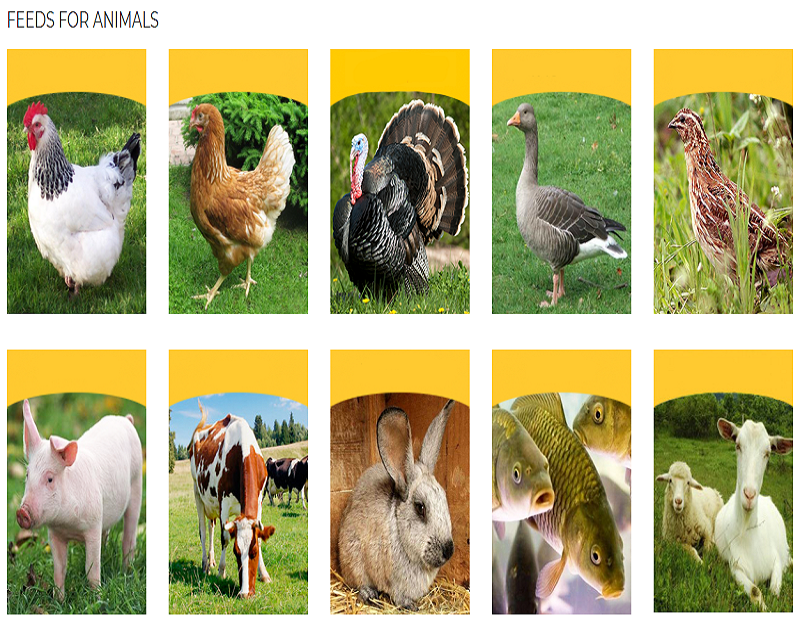
In livestock farming, the use of sodium butyrate effectively alleviates weaning stress in piglets, reducing post-weaning diarrhea, decreased feed intake, and other issues. It lowers the incidence of gastrointestinal diseases in young animals and improves both survival rate and uniformity of piglets.
In poultry farming, long-term addition of granular sodium butyrate improves the intestinal health of laying hens, reduces persistent diarrhea, increases egg production rates, extends the peak egg-laying period, improves eggshell quality, and reduces the proportion of soft-shelled and cracked eggs.
For ruminants such as cattle and sheep, sodium butyrate supports both rumen and intestinal health, enhances gastrointestinal motility, improves the utilization efficiency of roughage, promotes rapid weight gain in beef cattle and sheep, and improves overall growth performance.
Application Benefits in Aquaculture
When used in aquaculture, sodium butyrate protects the intestines of fish, shrimp, and crabs, reduces the occurrence of diseases such as enteritis, empty intestine, and fecal casting, enhances stress resistance in aquatic animals, improves tolerance to transportation, and reduces mortality during farming.
Additional Benefits
Long-term and appropriate addition of sodium butyrate can also enhance overall immunity in animals, reduce the frequency of various intestinal diseases, and minimize the use of antibiotics – supporting the transition to ecological and green farming models.
With its clear mechanism of action and comprehensive application benefits, feed grade granular sodium butyrate has become widely adopted across various farming sectors. Proper and rational inclusion in feeding programs can significantly improve the overall economic efficiency of livestock and aquaculture operations.
Post time: Jun-04-2026


